The Language and Emotions of the Polish Middle Ages – exhibition extended
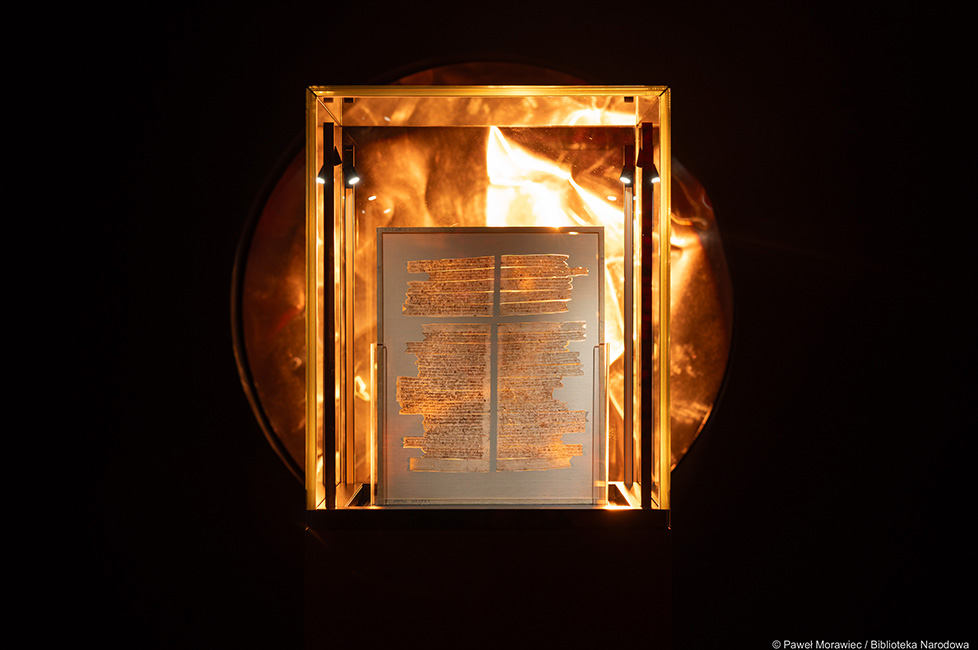
Due to the great interest shown by the public, the exhibition JAM POSEŁKINI JEGO. The Language and Emotions of the Polish Middle Ages has been extended. The exhibition can be visited at the Palace of the Commonwealth until 30 June 2026. In addition, from 18 April onwards, accompanying events such as lectures, curator-led tours and a concert will be held in connection with the exhibition. Information about these events will be published on the websites of the National Library of Poland and the Palace of the Commonwealth. We warmly invite you to visit!
JAM POSEŁKINI JEGO. The Language and Emotions of the Polish Middle Ages presents the oldest surviving texts written in Polish, some dating back nearly 800 years. The exhibition explores how many features of the Old Polish language have endured to this day, what has changed and what has returned in unexpected ways. The exhibition is accompanied by a medieval-language-inspired hotline and the game Scriptorium.
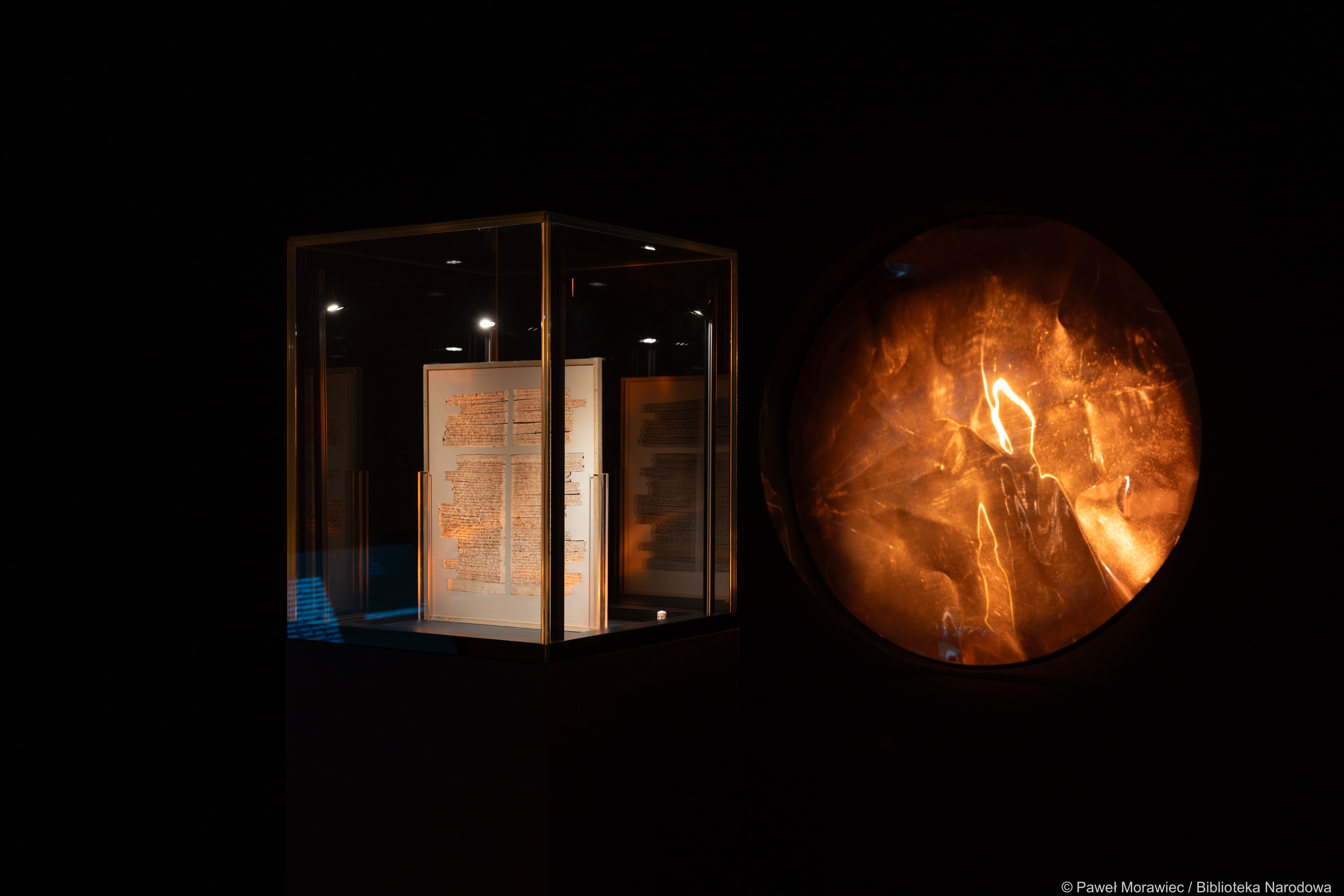
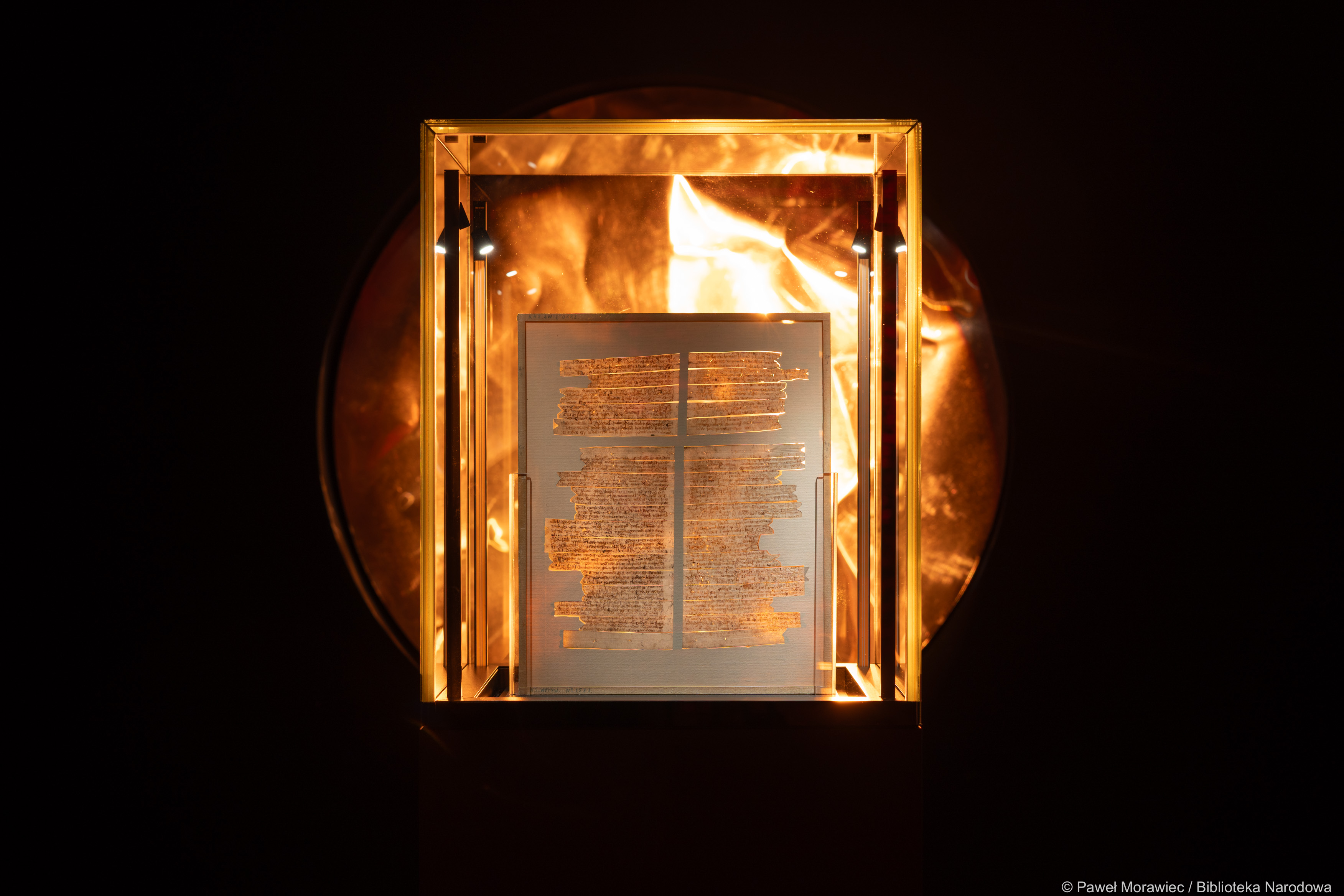
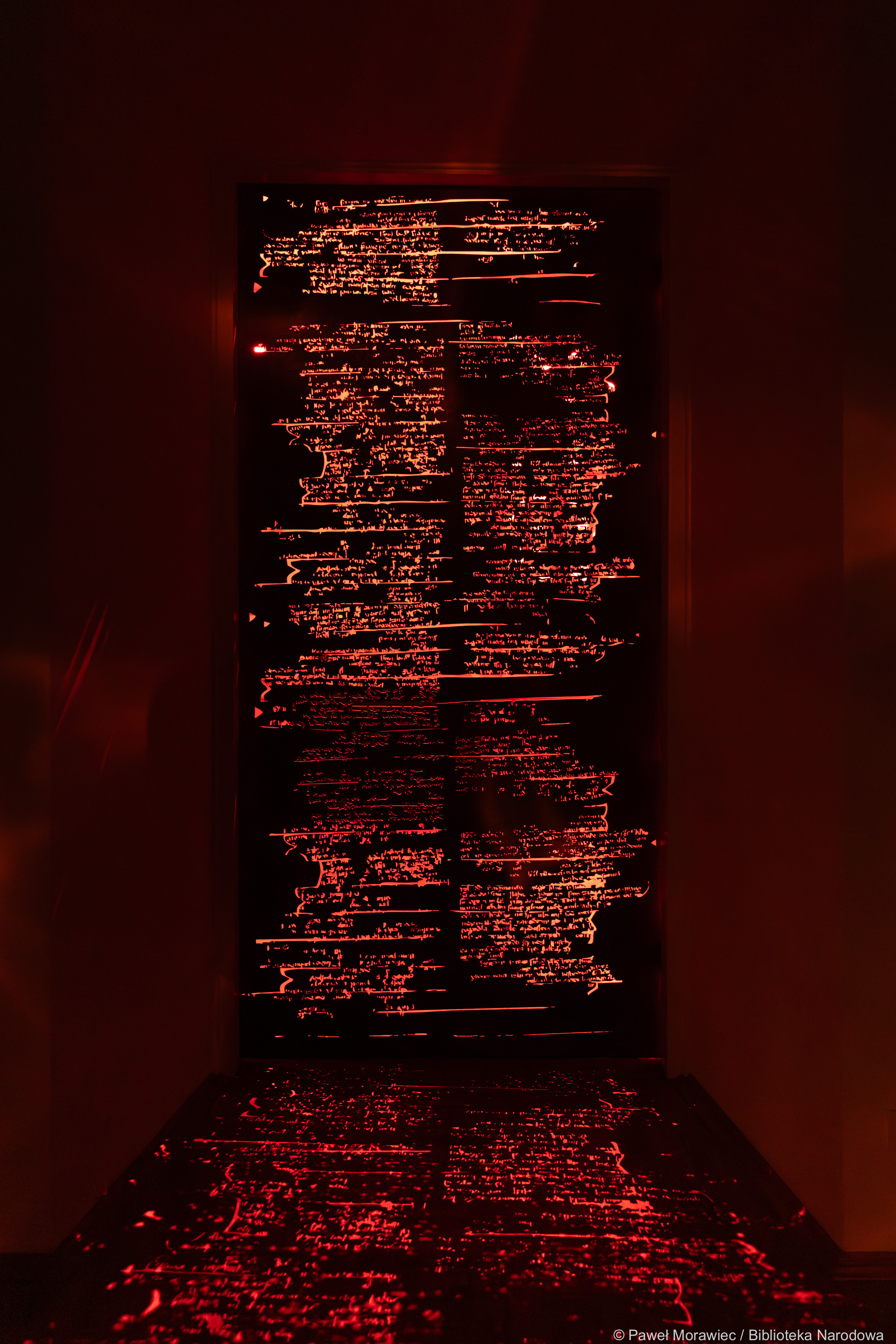
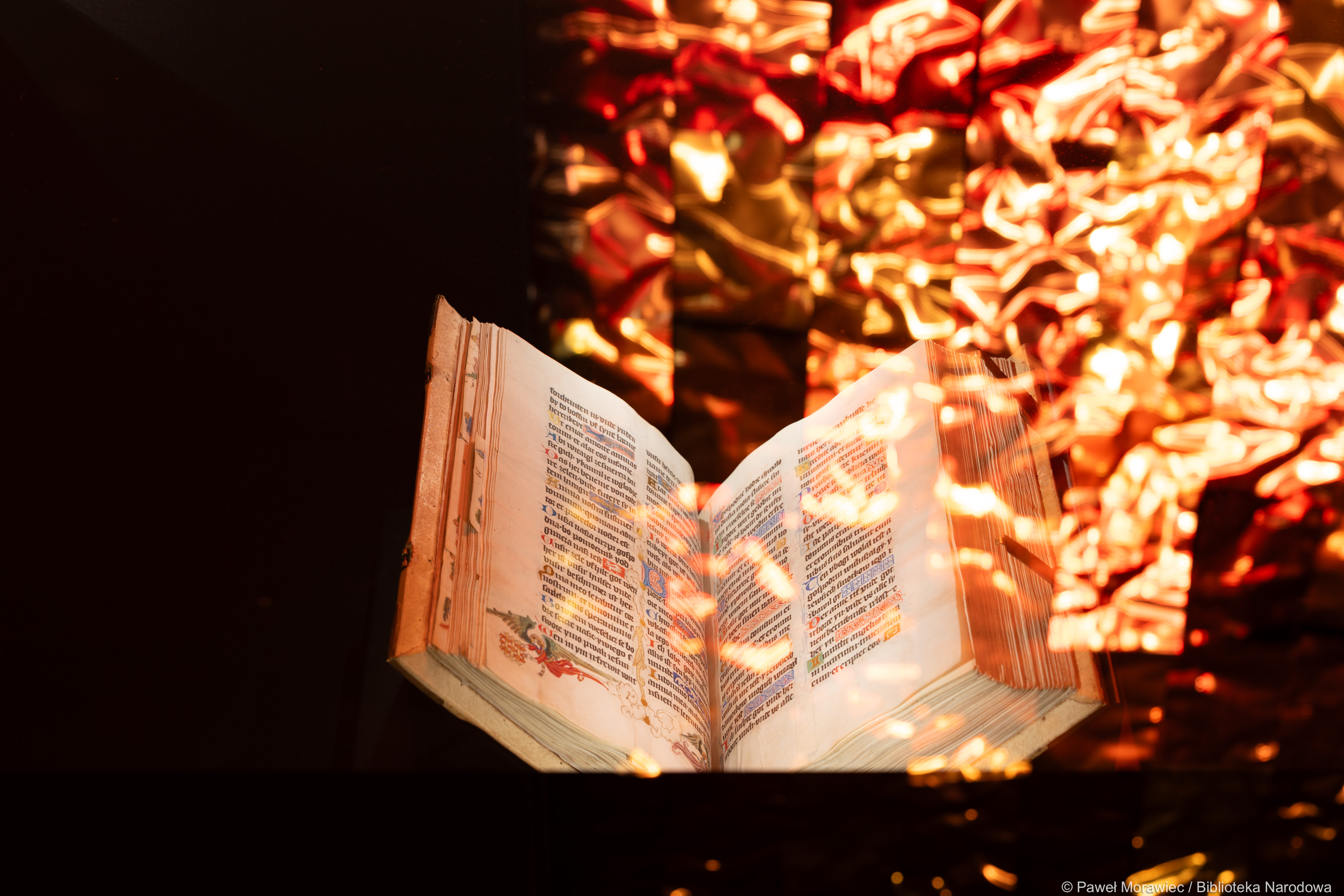
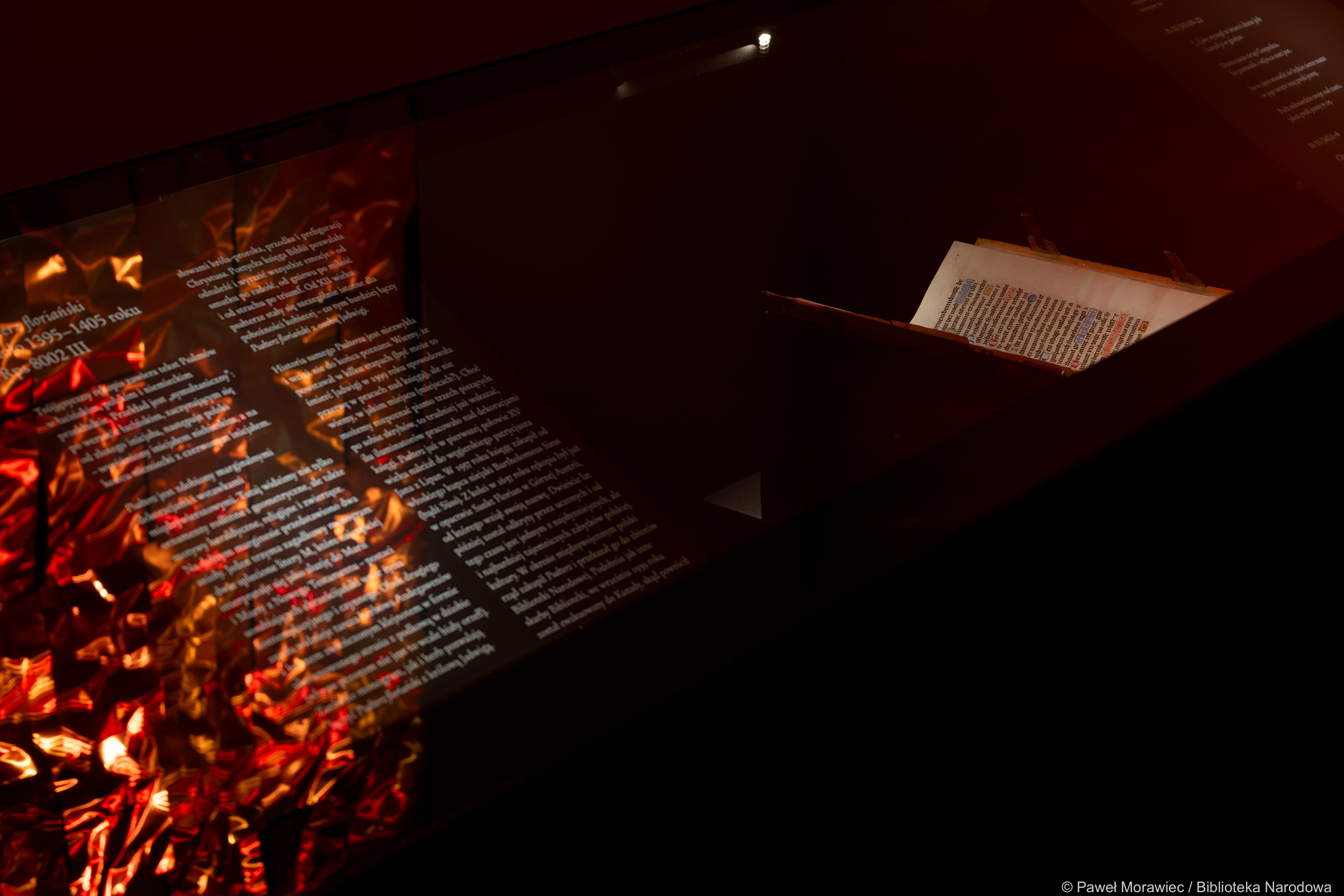
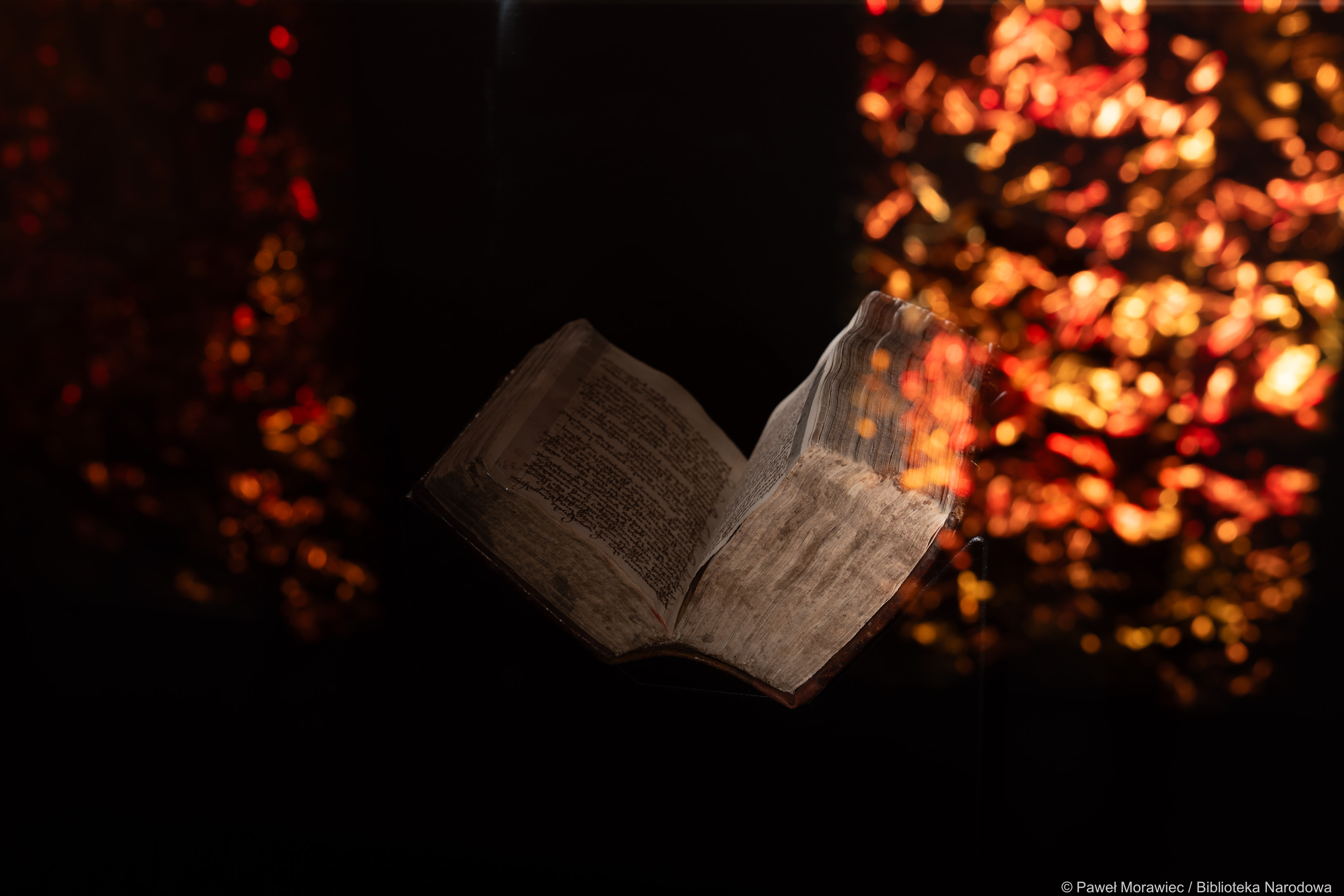
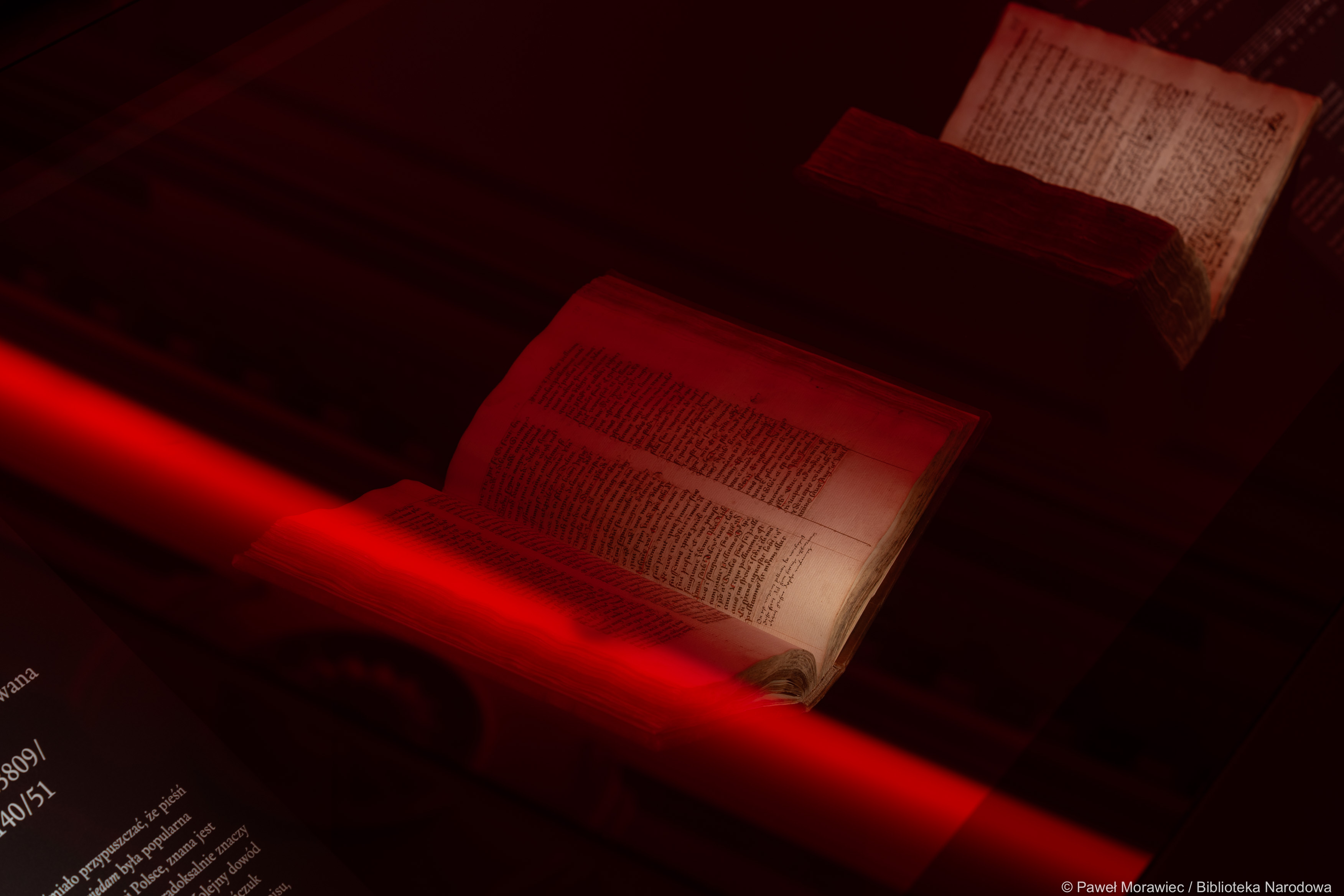
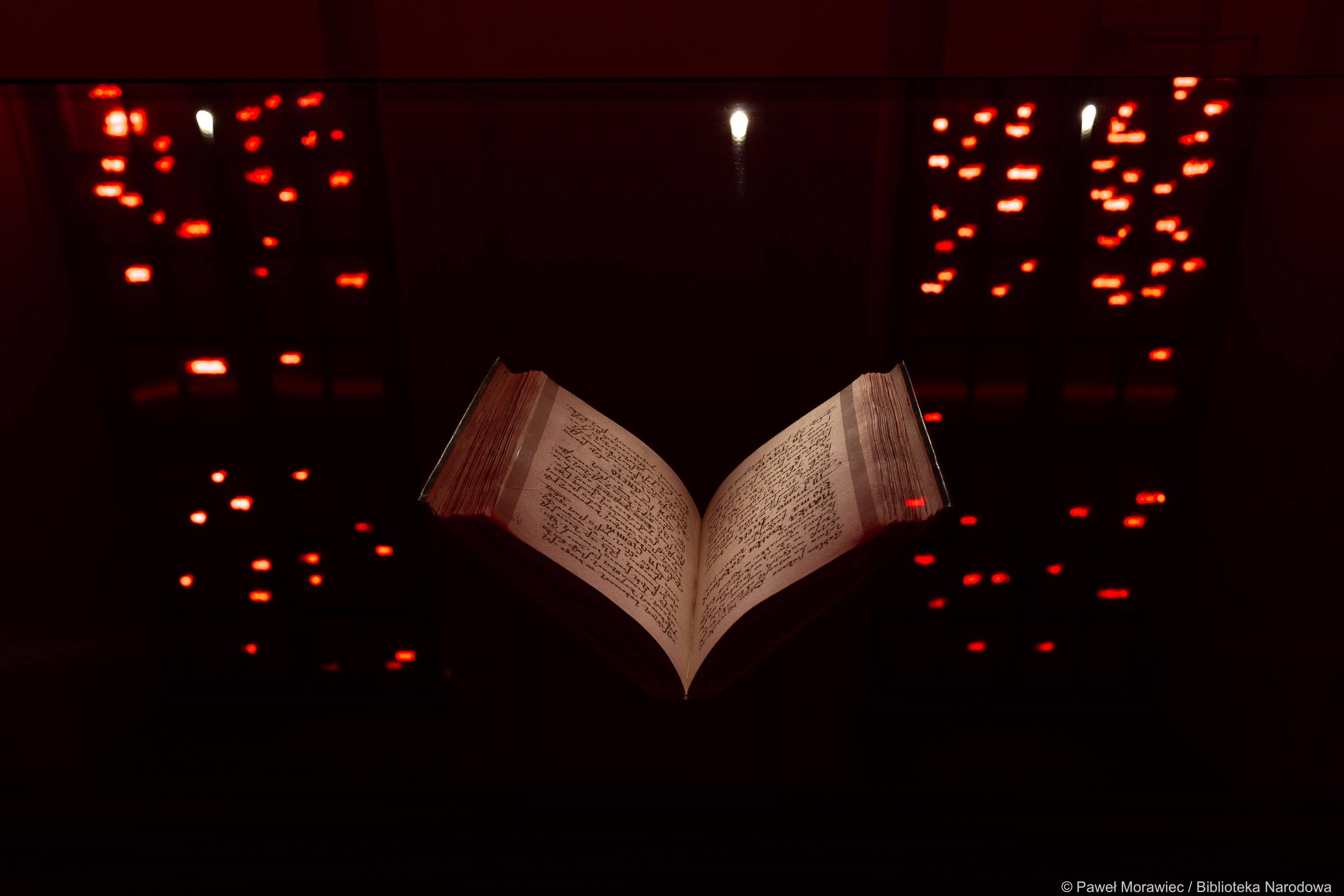
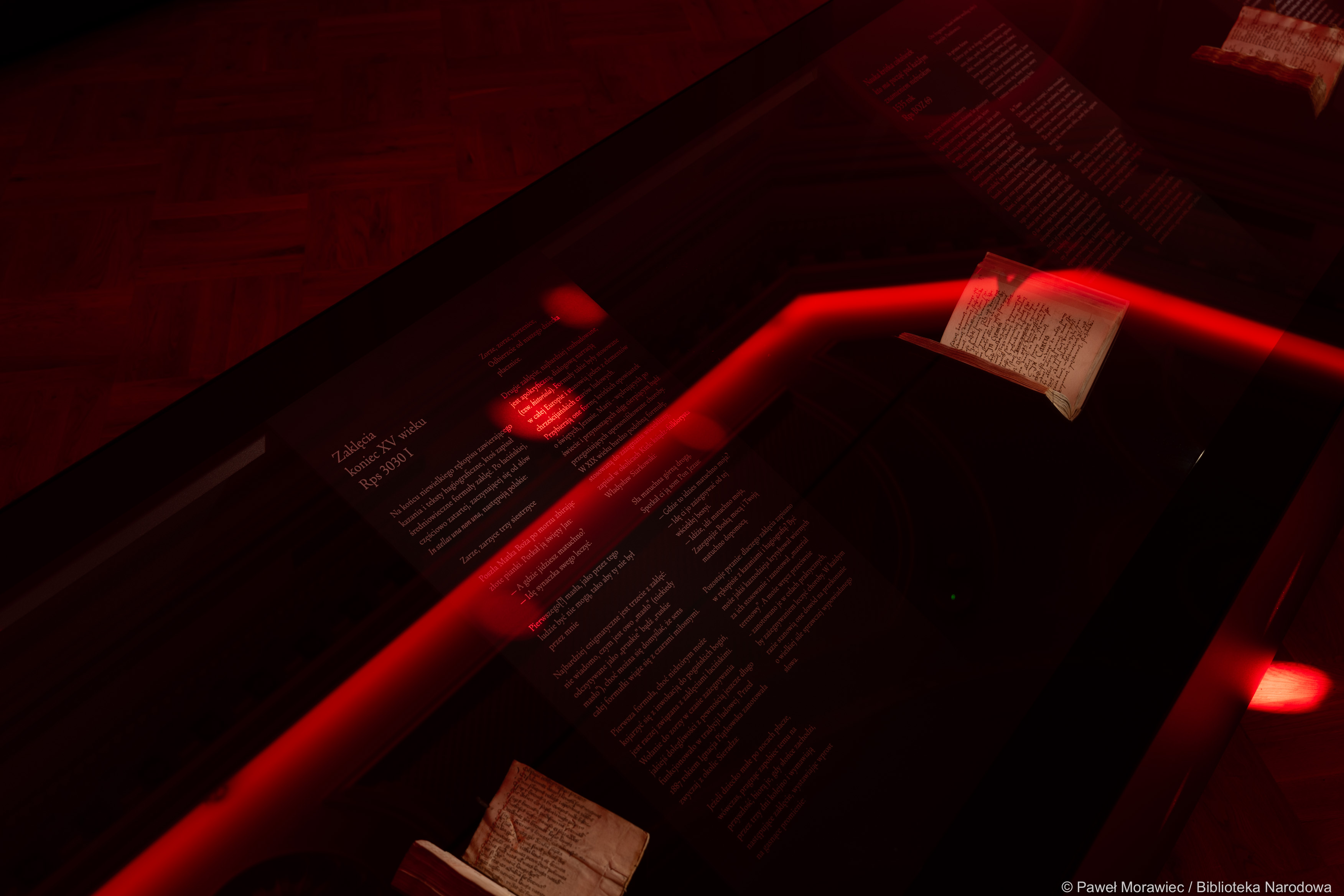
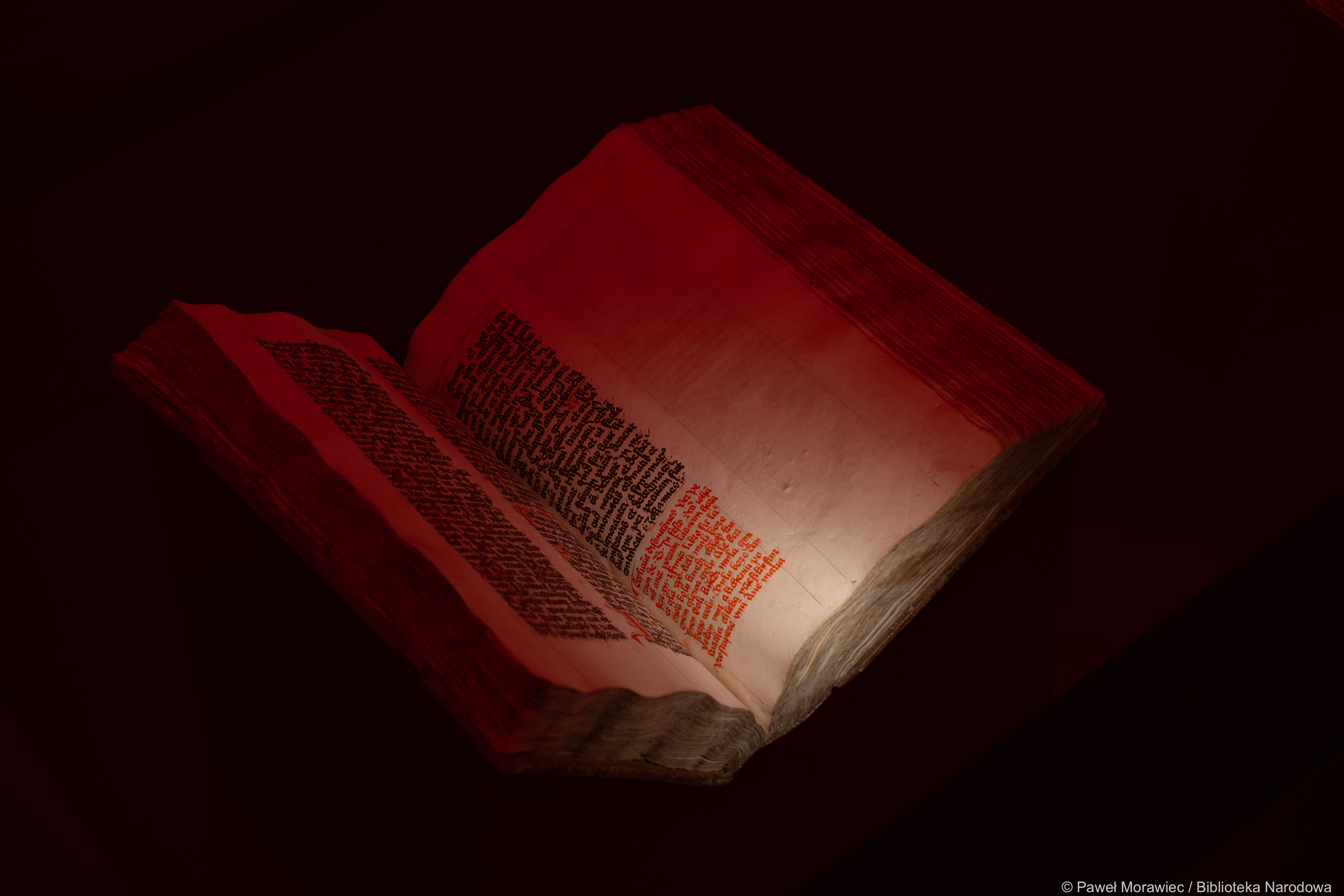
Among the highlights of the exhibition are two priceless treasures of Polish culture: the Holy Cross Sermons (Kazania świętokrzyskie), the oldest known literary text in Polish, composed in the 13th century and attesting to the literary maturity of the language, and the St Florian Psalter (Psałterz floriański), created in the 14th century for Queen Jadwiga. Some 15th-century manuscripts from the treasury of the National Library will also be displayed publicly for the first time.
Posełkini, prophetess, warrior woman – these are not modern feminatives, but words drawn from the oldest texts written in Polish. The word “posełkini” appears in the St Florian Psalter, as well as in an epic song about the Annunciation, in which Mary responds to the angel’s greeting: “jam posełkini jego”. What may seem new today, and controversial to some, has been part of our language since its very beginnings.
Words, like species in the plant and animal kingdoms, die out or adapt by changing their meaning. They migrate, are reintroduced, or are carelessly introduced like invasive species; others hide away somewhere only to return unexpectedly like living fossils. In medieval Polish we can see this ecosystem in its original form. We can also see how many fragments of the medieval world have survived in the language to this day, and how much has changed. And the language of the Middle Ages is an extraordinary medium. It reflected both intimate emotions and religious fervour, as well as everyday life – from medicine and magical practices to threats and jokes. Manuscripts from centuries past remind us that Polish is not a dead, fossilised system but a living organism: it changes, stirs emotions, serves as an instrument of tenderness and prayer, but also as a weapon – capable of wounding and even taking life.
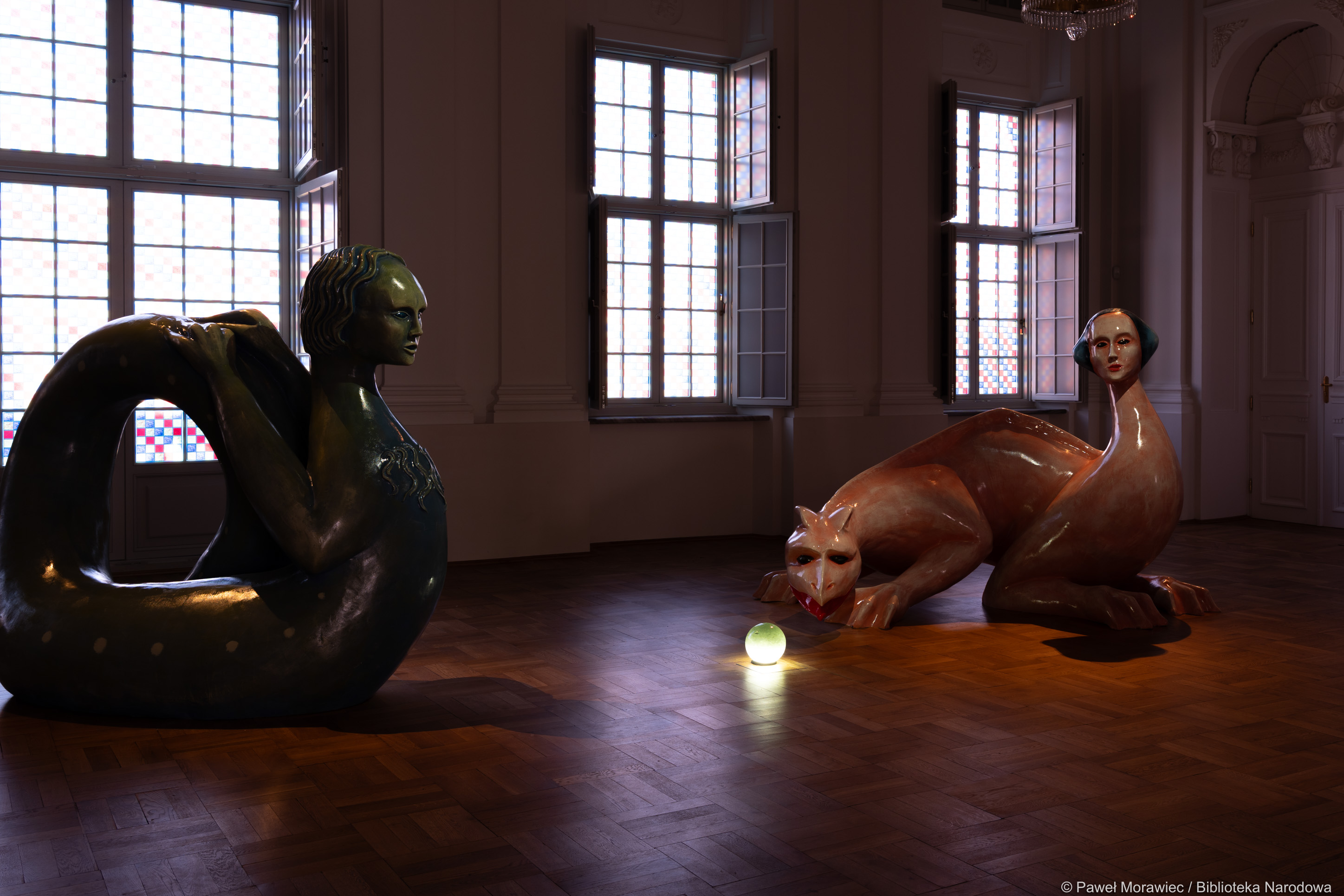
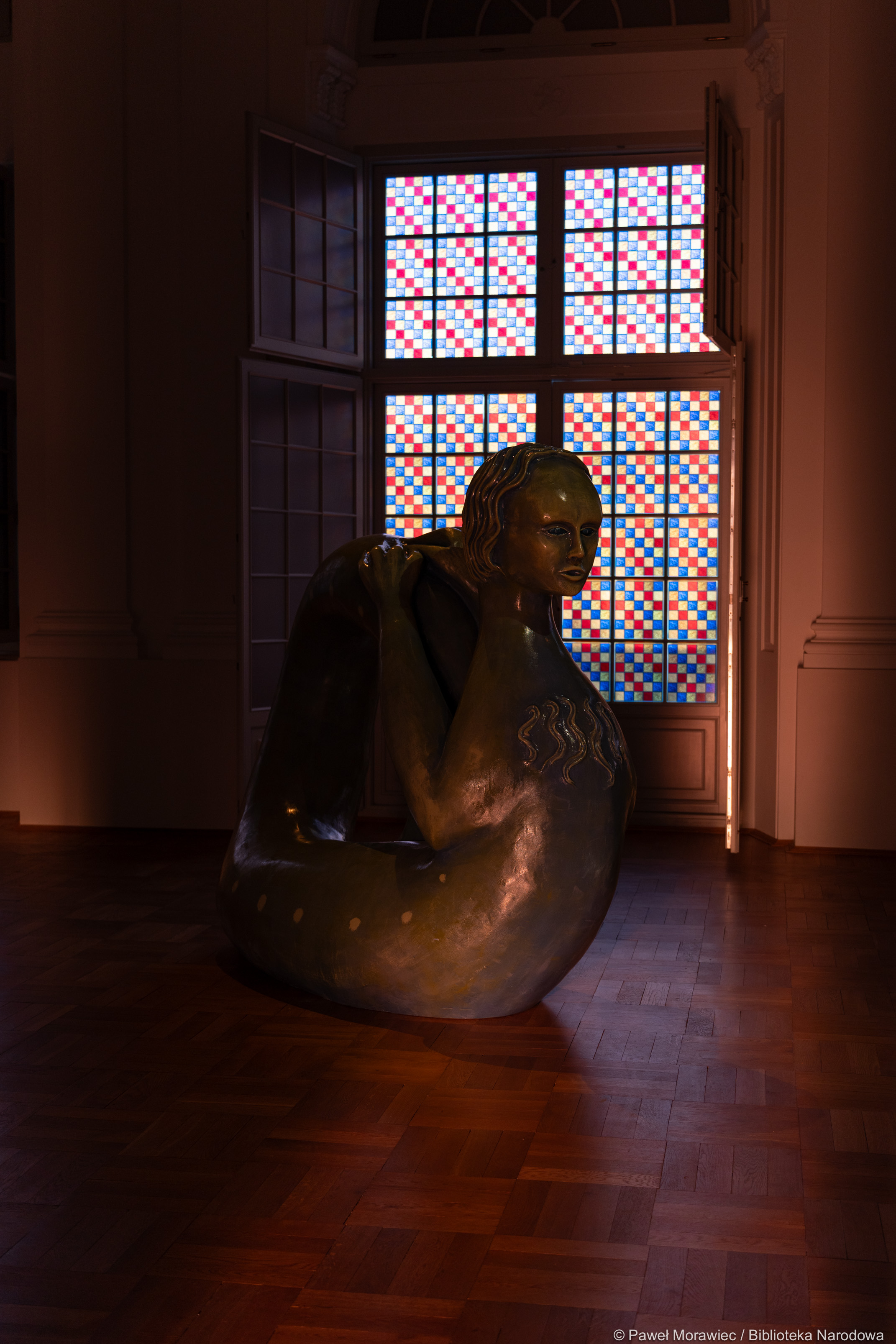
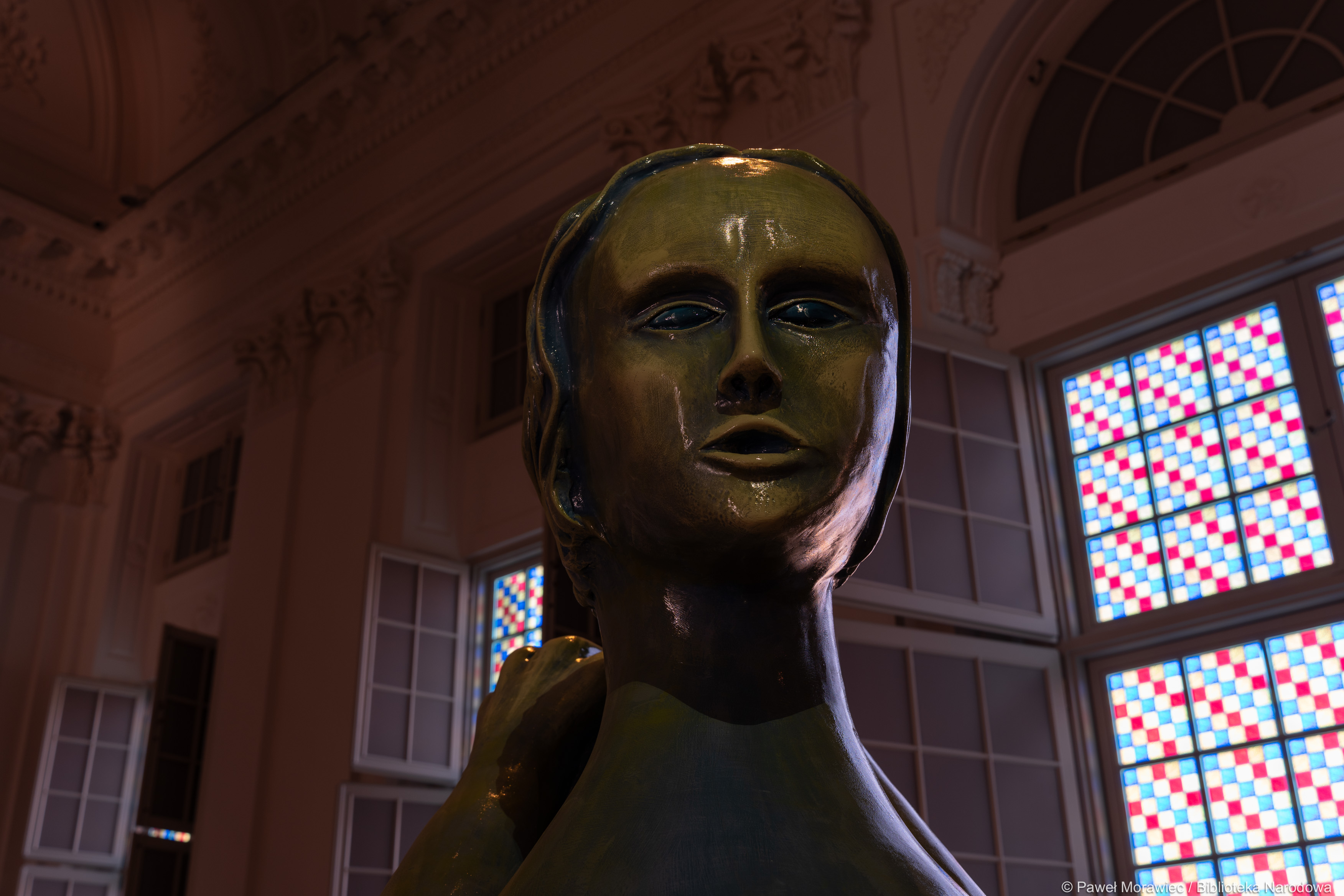
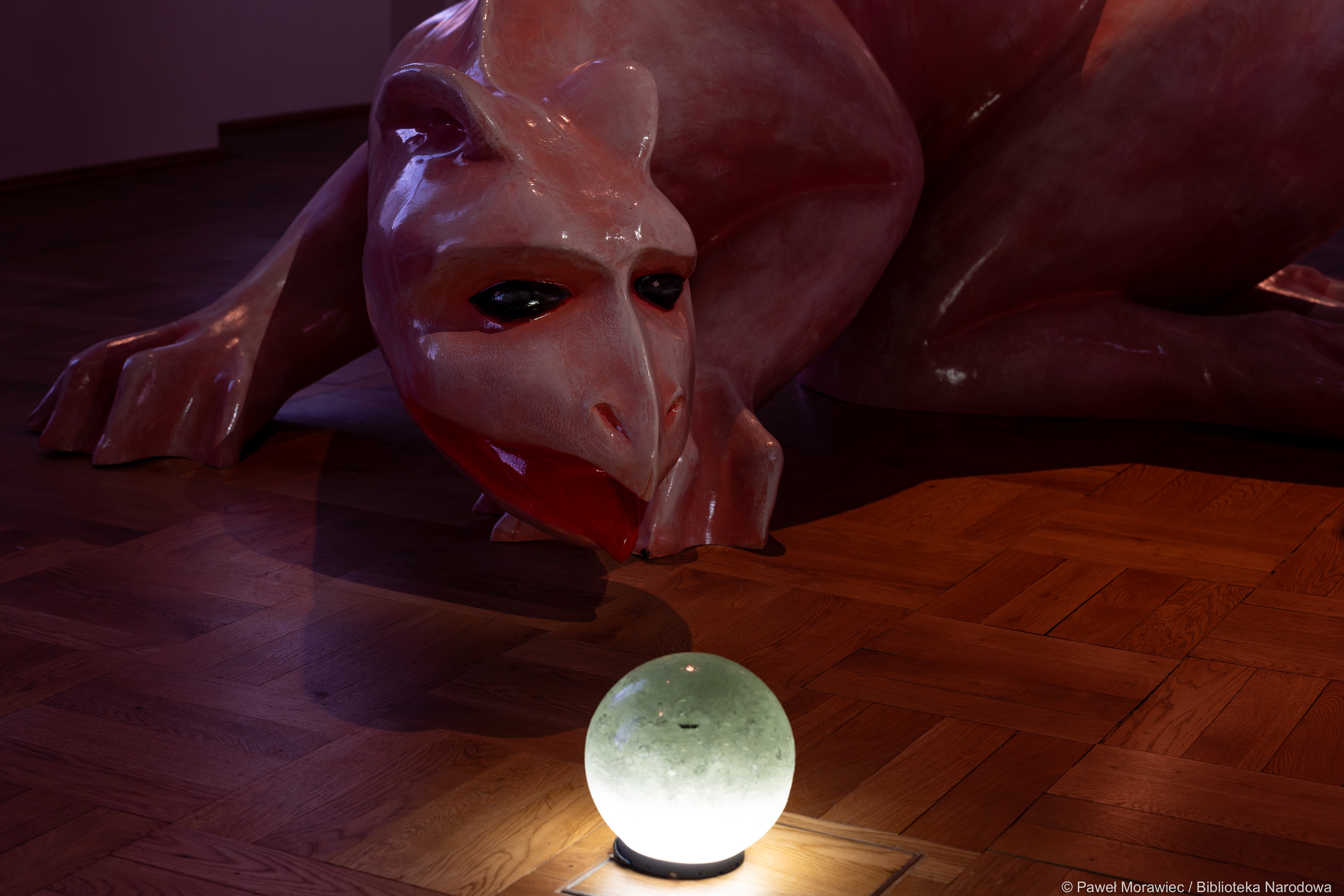
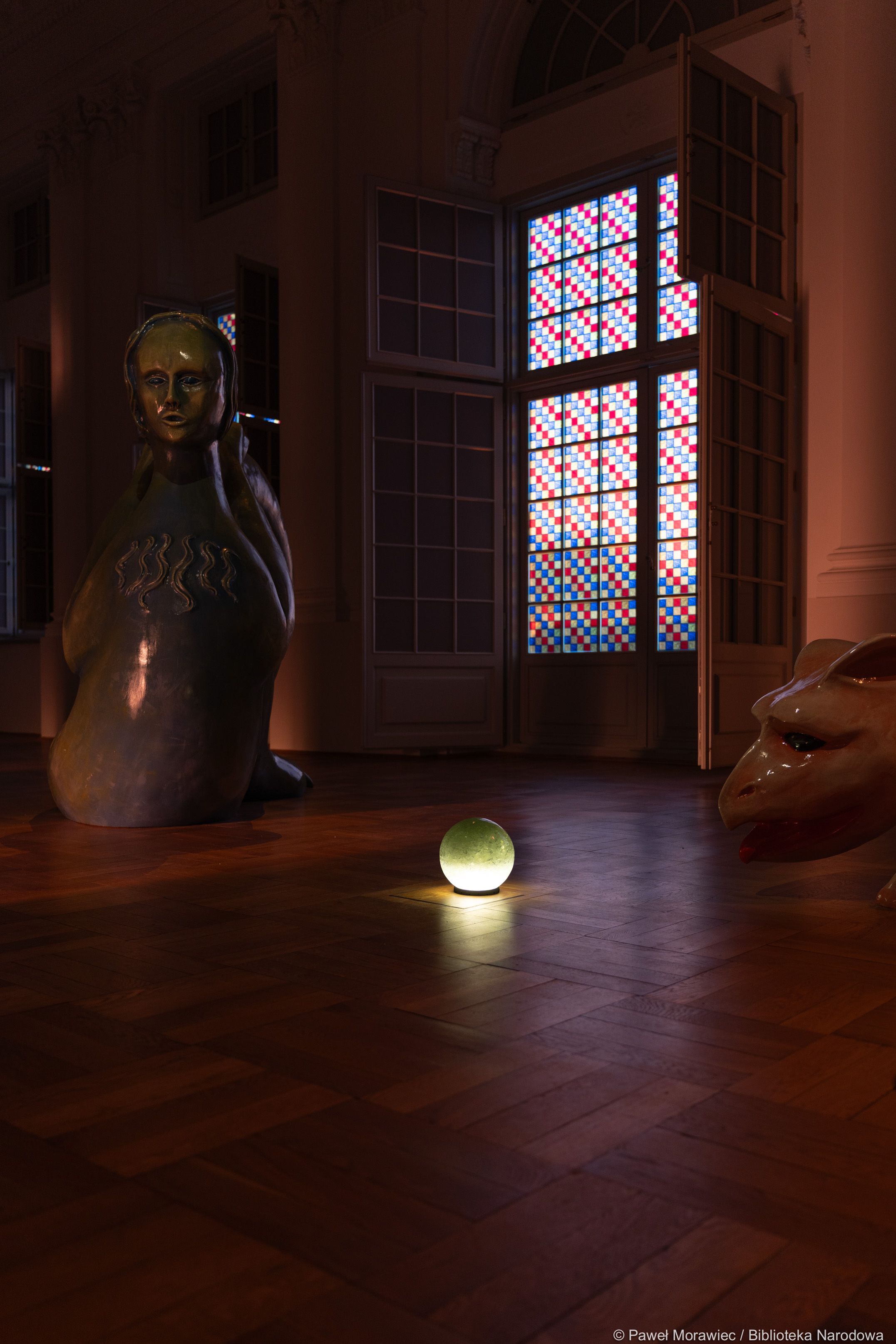
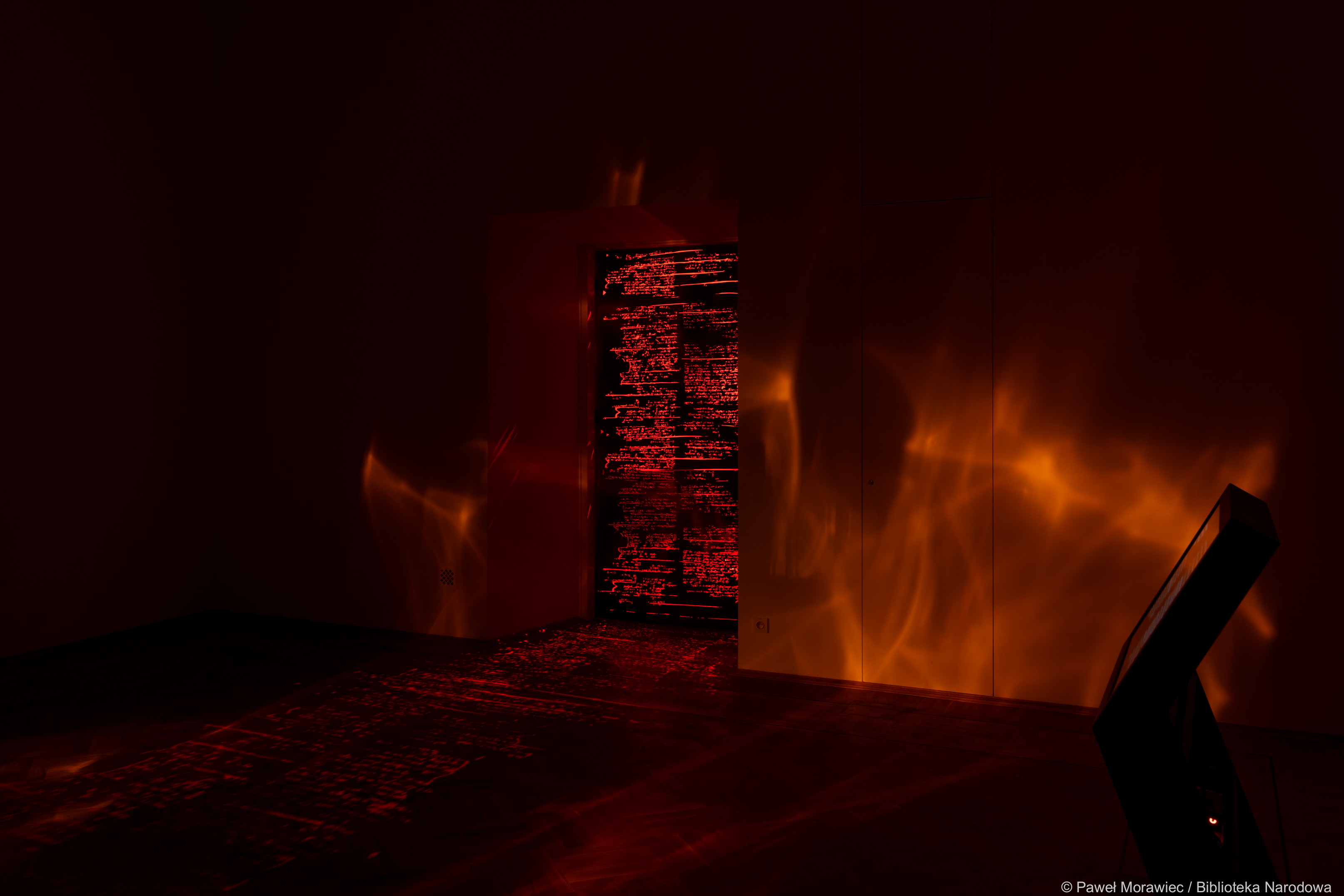
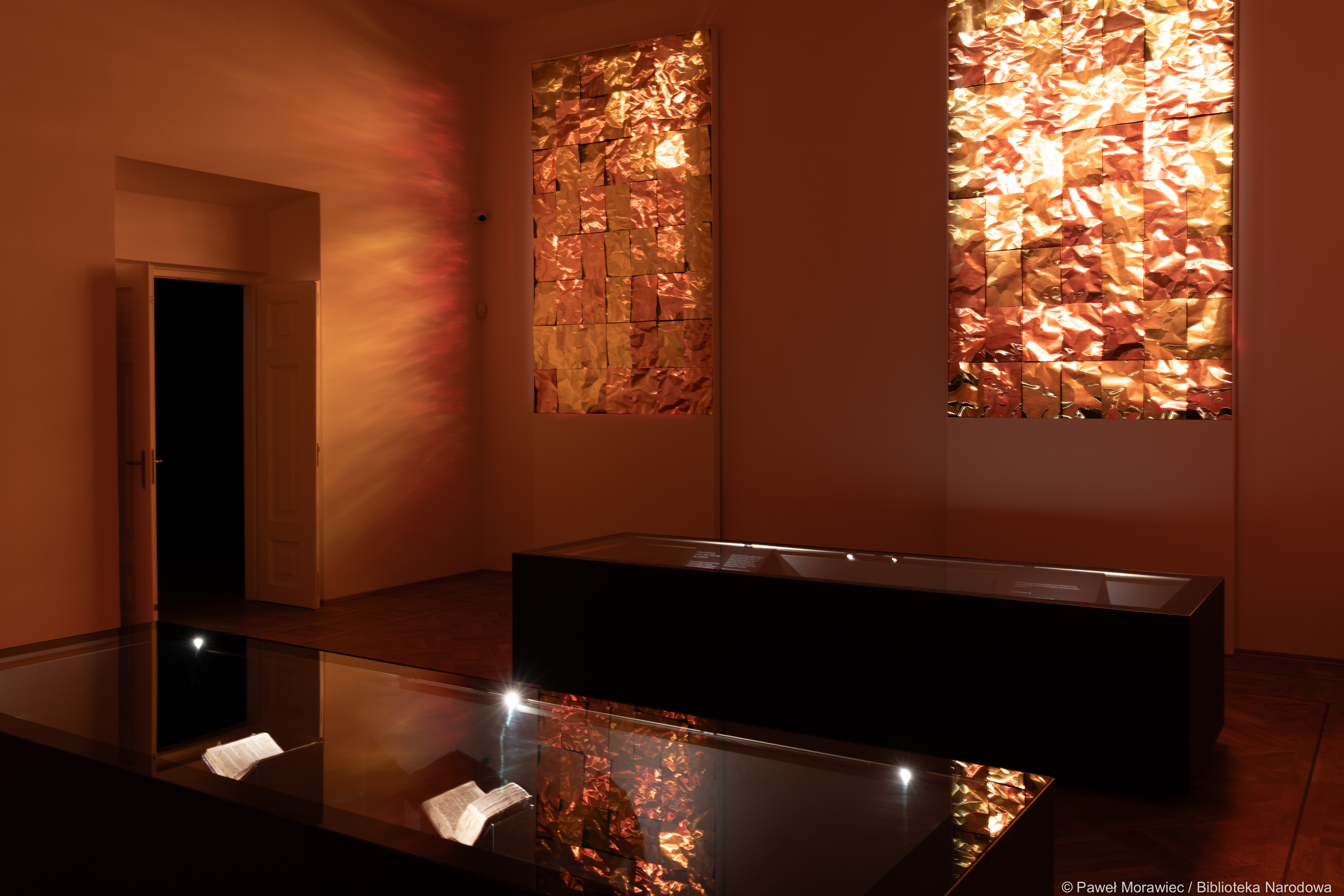
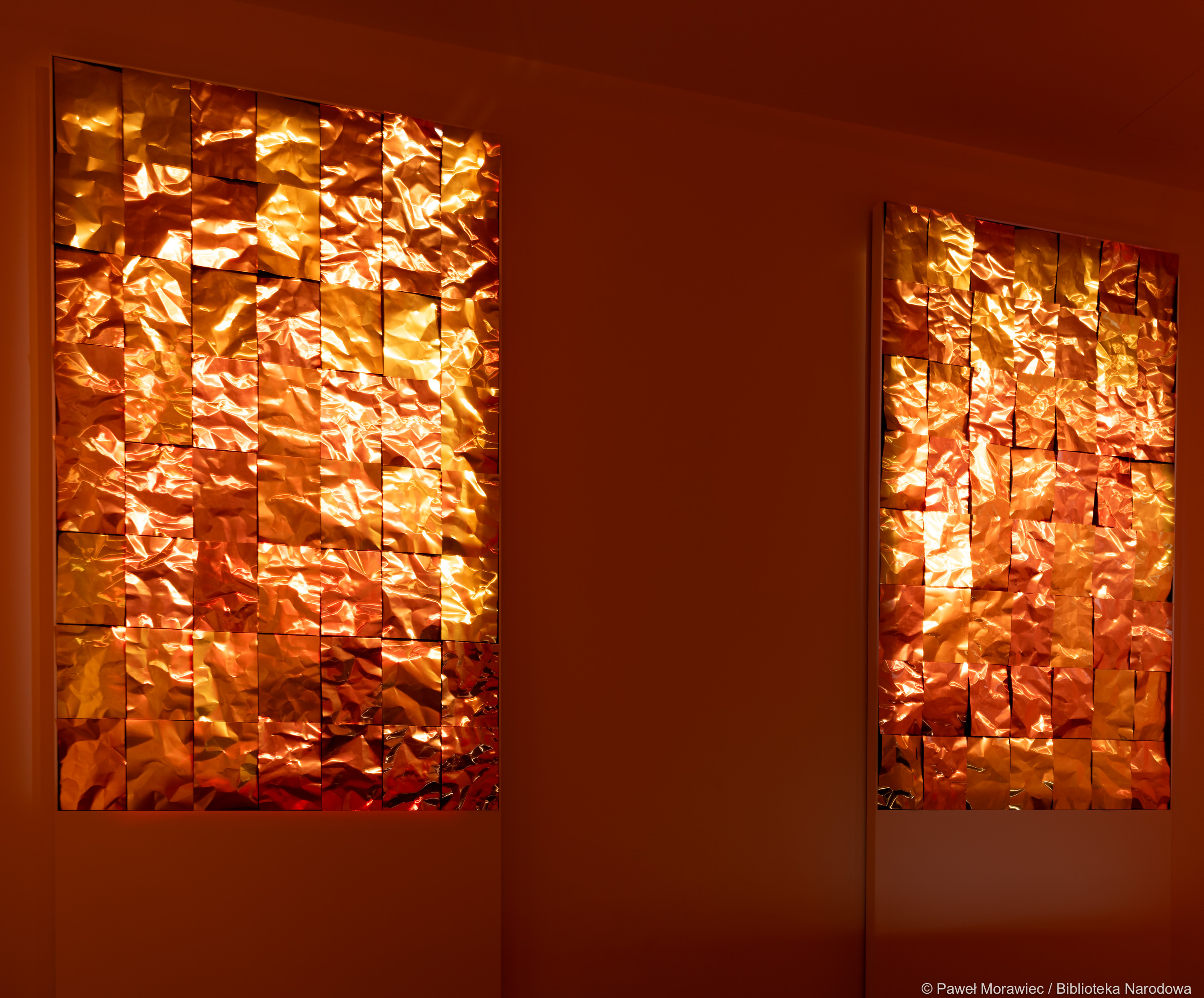
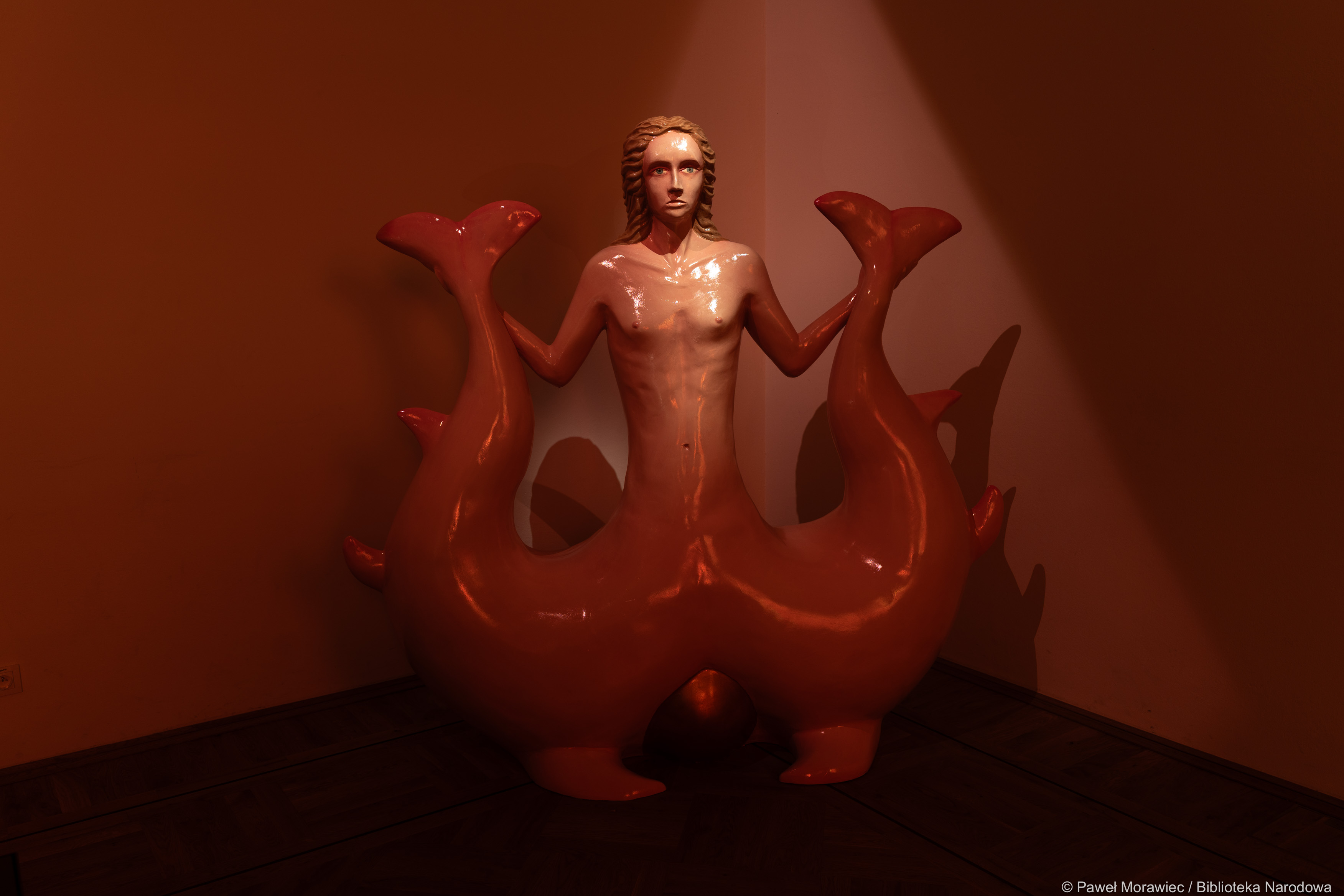
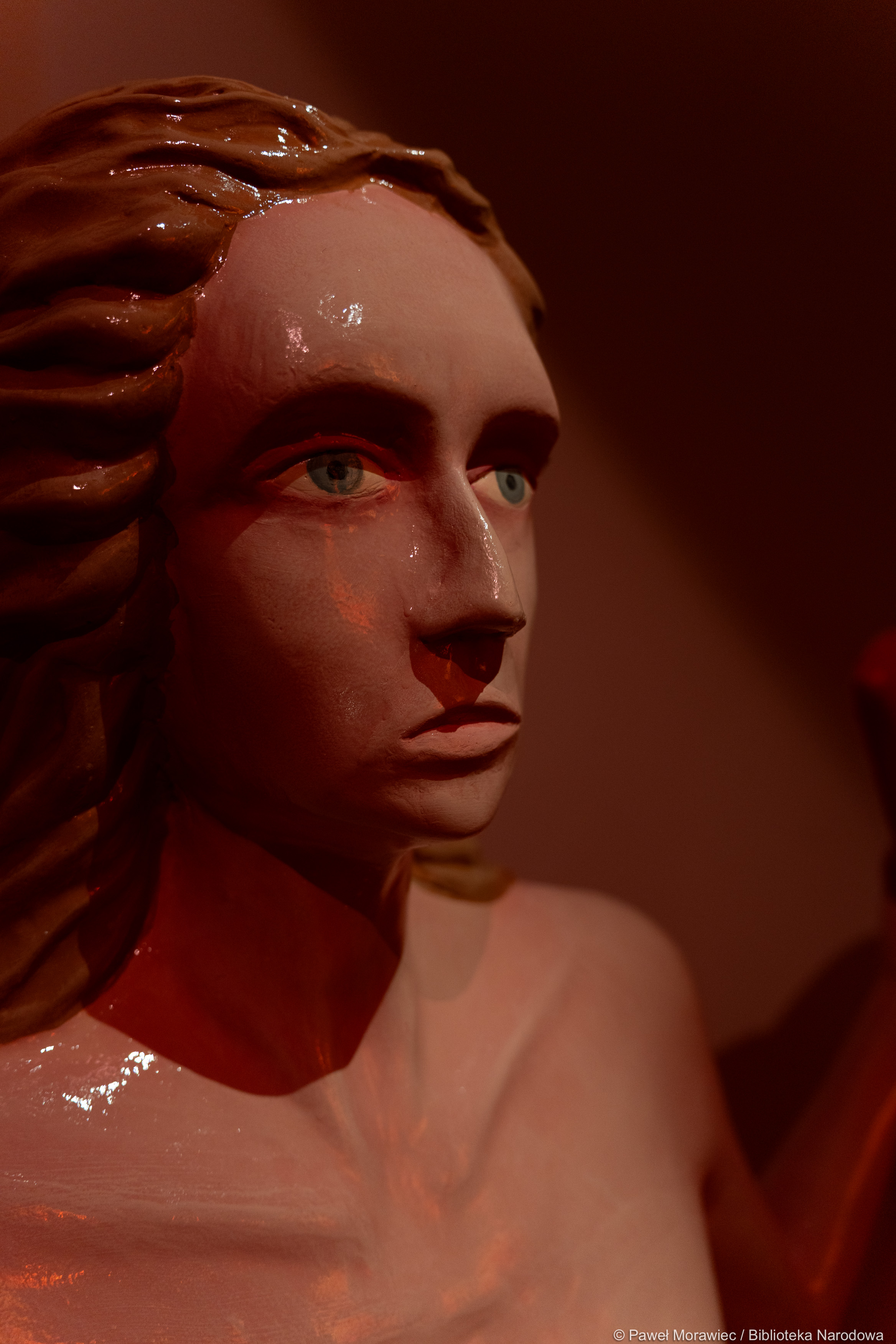
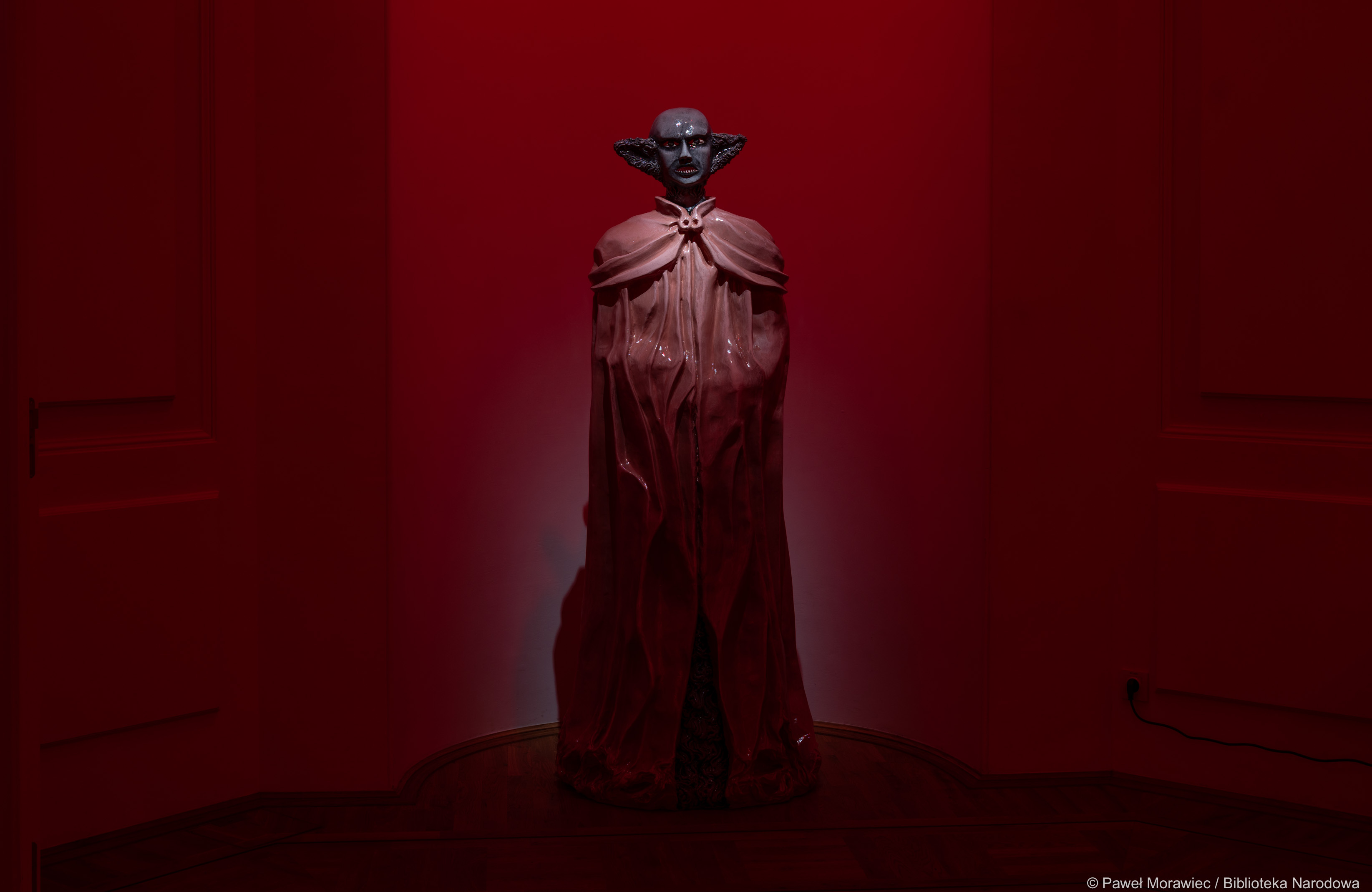
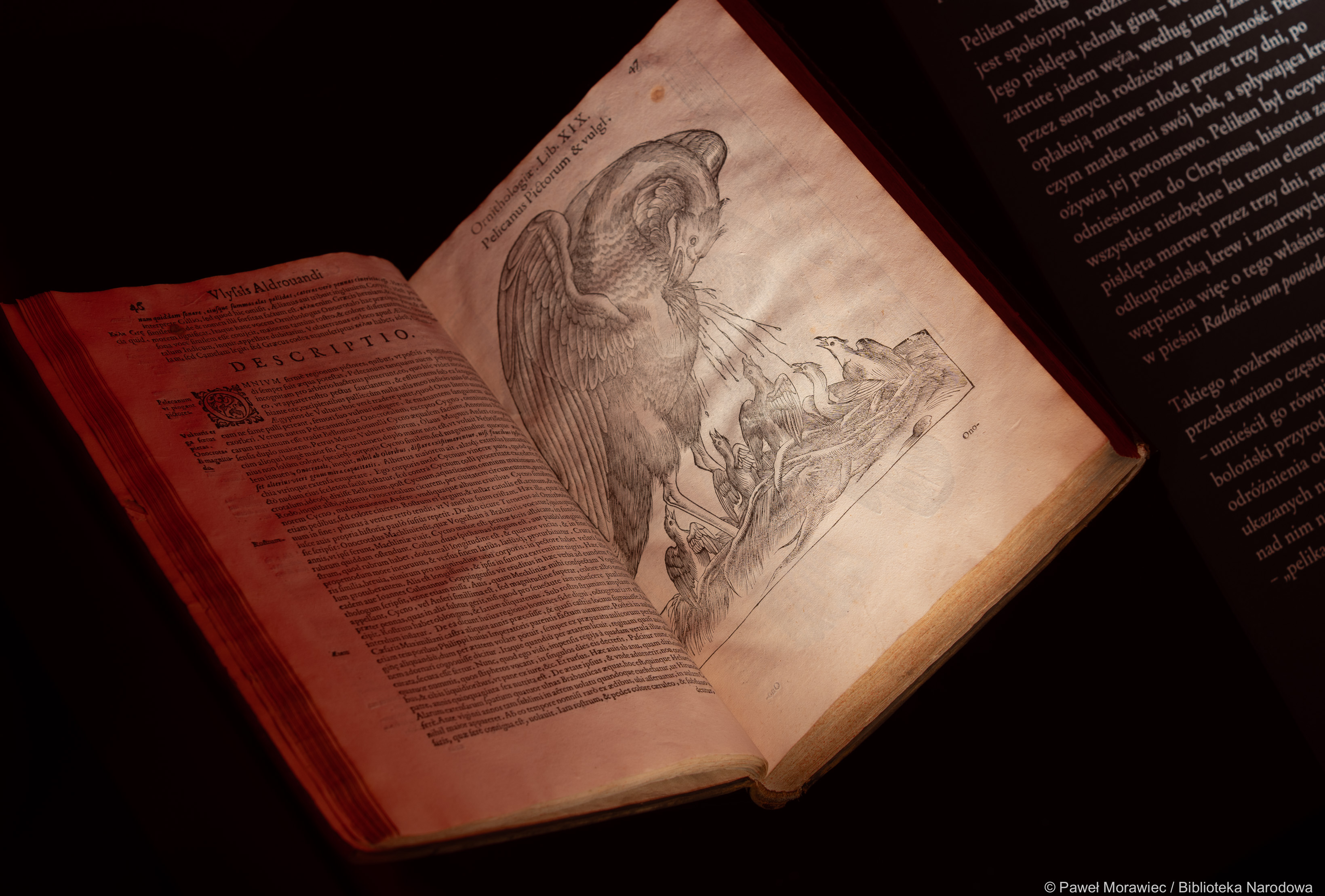
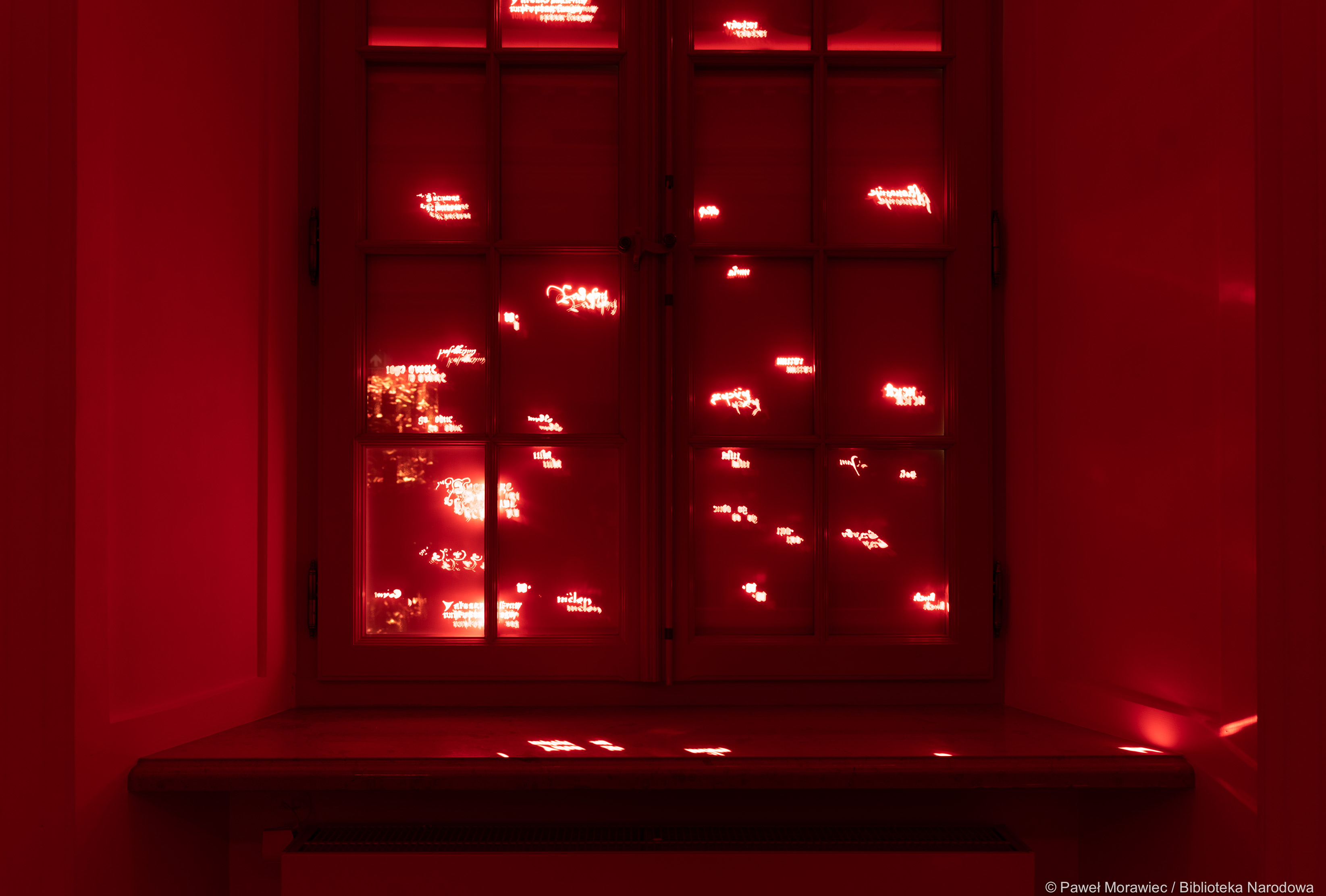
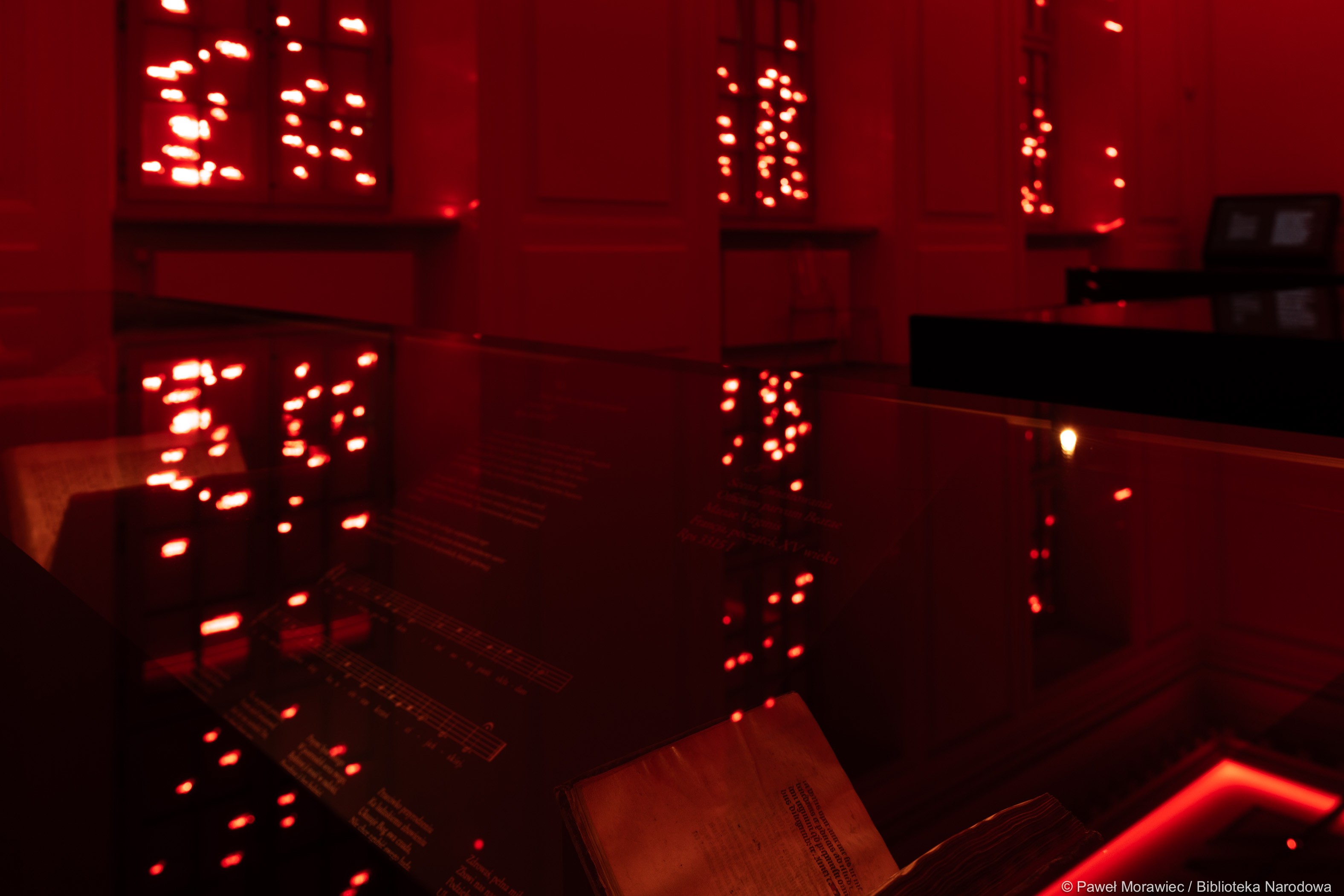
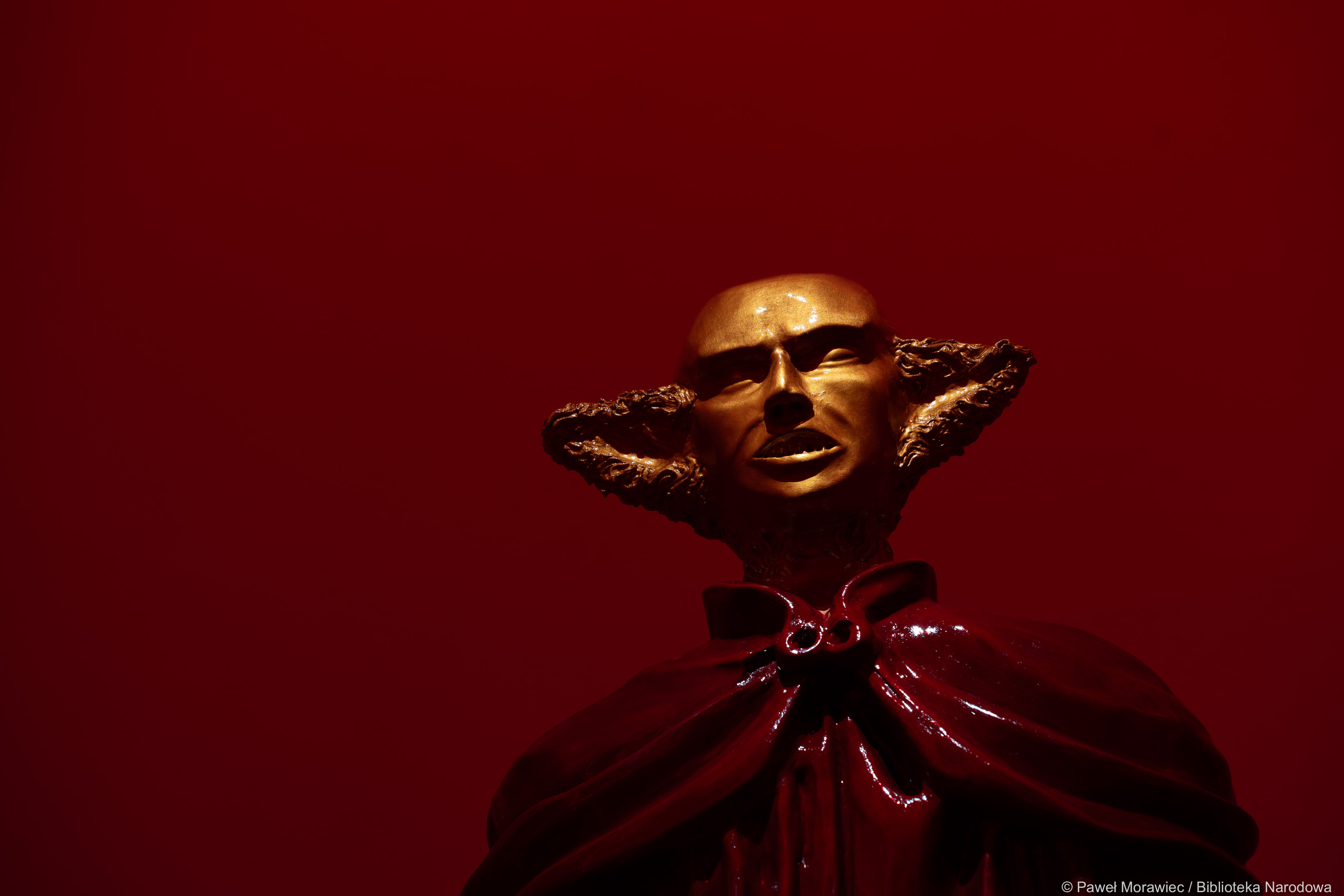
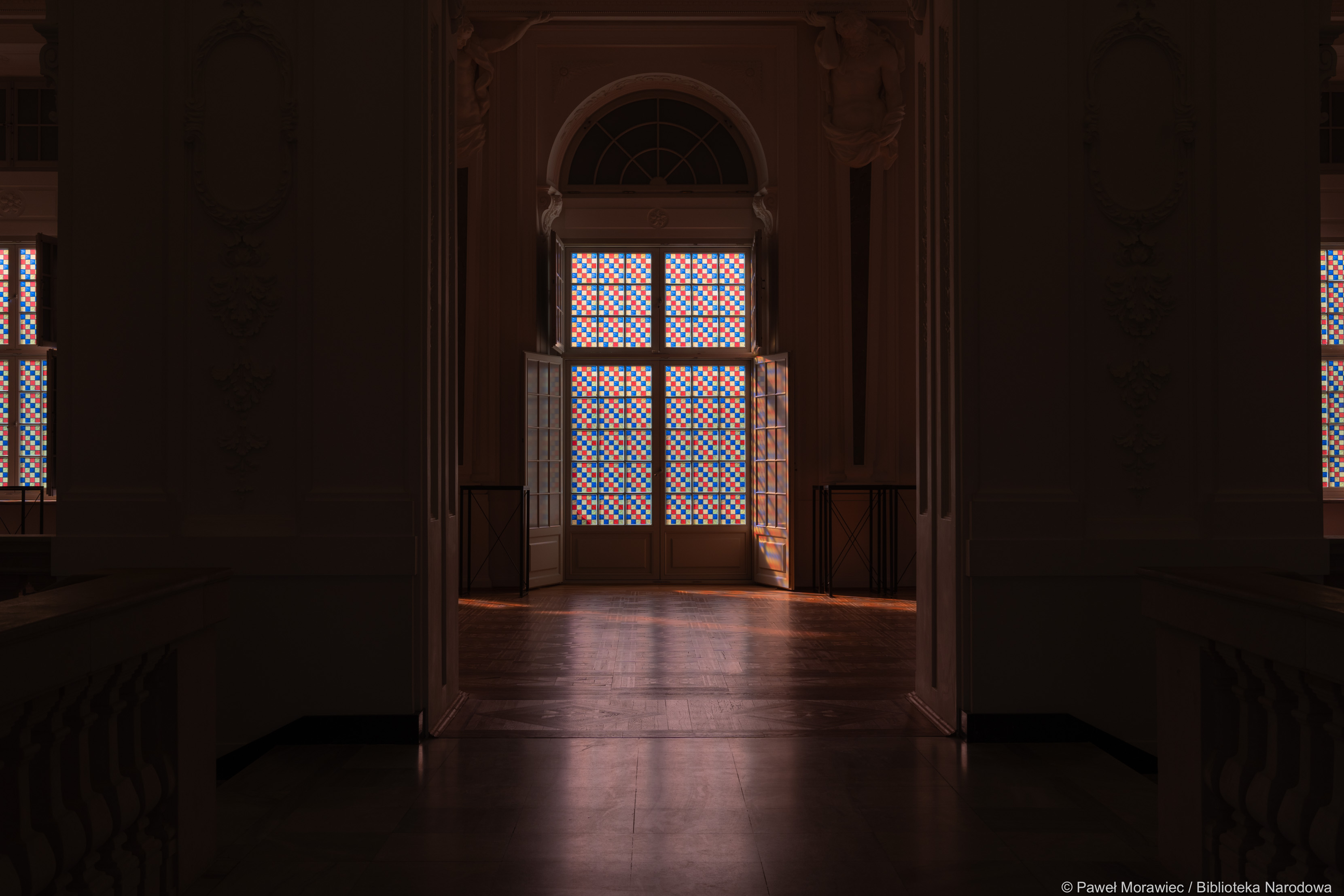
The exhibition transcends linguistic boundaries, engaging the senses and placing medieval words in dialogue with contemporary art. The margins of medieval manuscripts, once filled with dragons, sirens and other fantastical creatures from bestiaries, take on new life through the sculptures of Sasza Wiktor and the striking light installations of Aleksander Prowaliński. The presentation is completed by minimalist graphic designs by Hanna Dudkowiak. This interdisciplinary narrative reveals the treasures of old Polish, whose striking relevance may come as a surprise, resonating with the latest social and cultural debates.
JAM POSEŁKINI JEGO is a story about a language that brought together learning and magic, faith and law, and ultimately reflected the everyday life of the medieval world. The curator of the exhibition, Dr Łukasz Kozak, leads visitors through the living history of language, showing that it was a tool that helped shape medieval reality, and that it is language above all that conveys to us the emotions of people who lived centuries ago.
The exhibition was opened to mark the centenary of the recovery of the Holy Cross Sermons, which had been taken to Russia.
Details:
Venue: Palace of the Commonwealth, Plac Krasińskich 3/5, Warsaw
Duration: 22 October 2025 – 30 June 2026
Admission: free
Team:
curator – Dr Łukasz Kozak;
graphic design – Hanna Dudkowiak;
sculptures – Sasza Wiktor;
light installations and scenography – Aleksandr Prowaliński; assistant – Alexander Adamau.