80th anniversary of the founding of the Literary Institute in Maissons-Laffitte
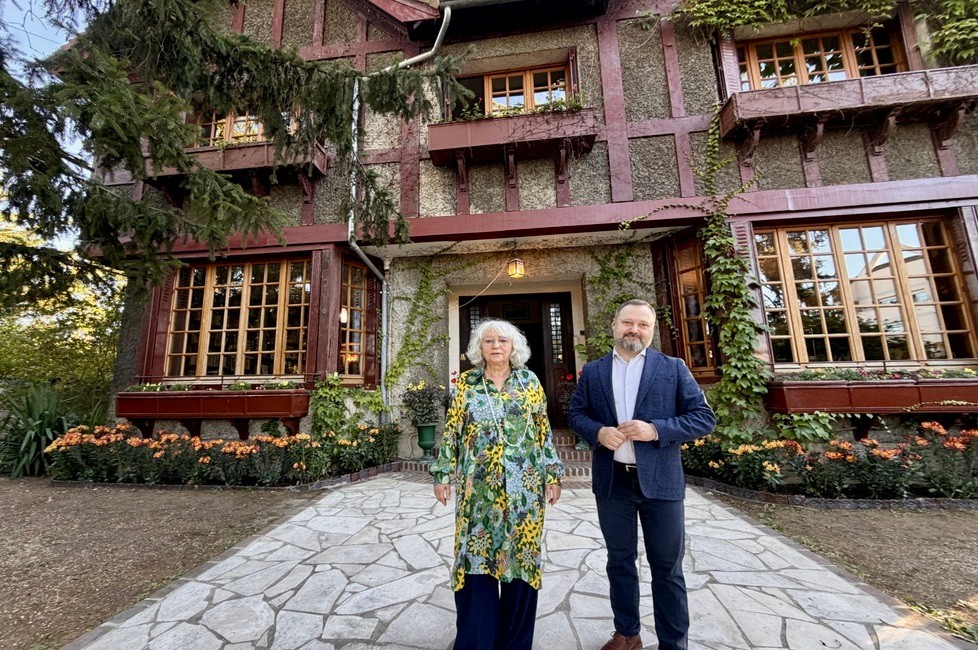
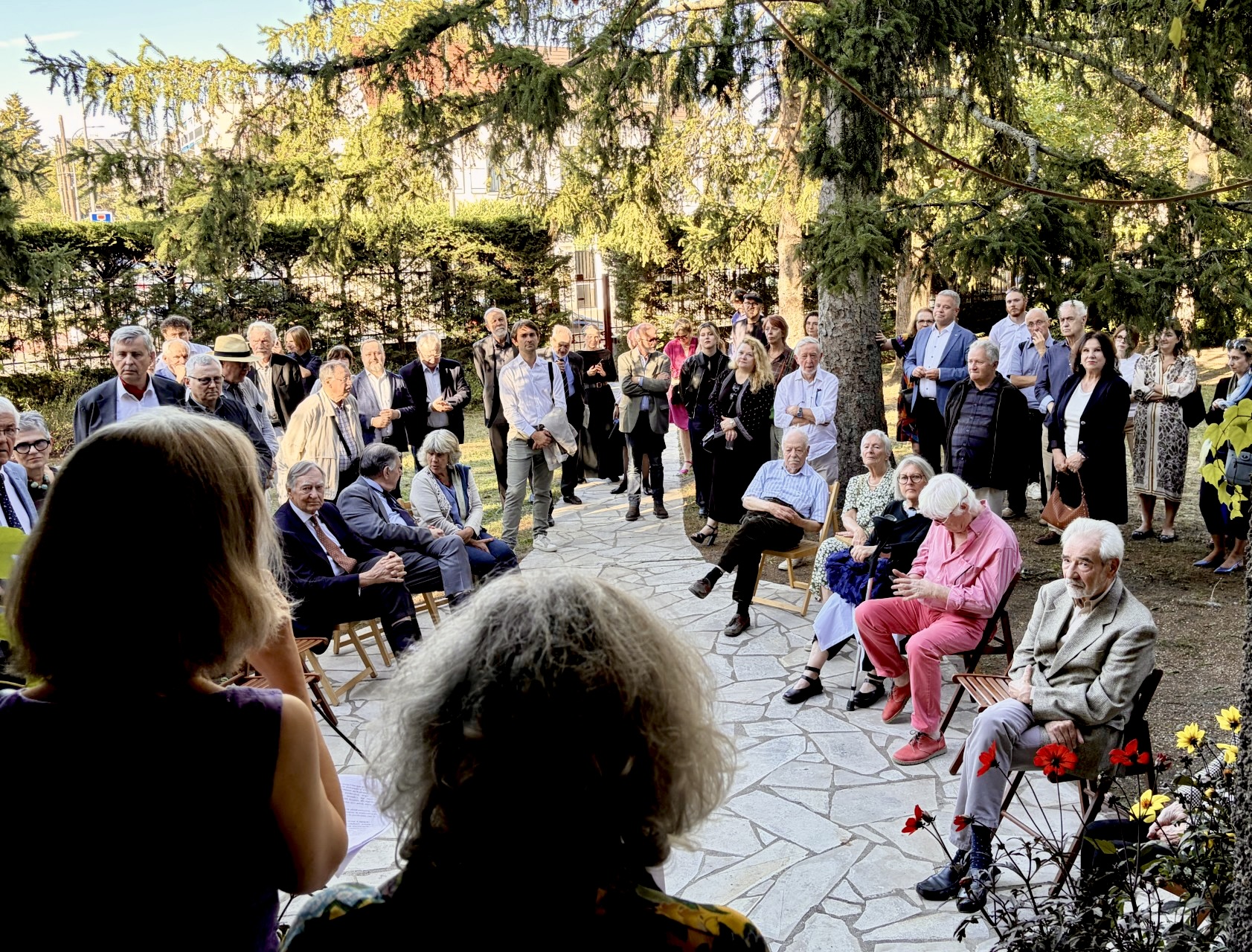
The annual meeting organised by Stowarzyszenie Instytut Literacki Kultura was held at the headquarters of the Paris-based “Kultura” in Maisons-Laffitte near Paris. This year’s gathering coincided with the celebrations of the Year of Jerzy Giedroyc and the Year of Józef Czapski. The National Library of Poland was represented by its Director, Dr Tomasz Makowski, and Andrzej Mietkowski, Representative for Acquisitions and Donations of Library Materials.
This year marks the 80th anniversary of the founding of the Literary Institute. It also marks significant anniversaries of the births of Józef Czapski and Jerzy Giedroyc. The Senate of the Republic of Poland has declared 2026 the Year of Jerzy Giedroyc, while the Sejm of the Republic of Poland has designated it the Year of Józef Czapski. On Saturday, 12 September 2026, Jerzy Giedroyc and his associates were commemorated at the headquarters of “Kultura”. For many years, they created the most important political centre of the Polish émigré community and an embassy of independent Polish culture.
In one of his interviews, Jerzy Giedroyc said: “…our aim was to encourage people to think.” This was precisely the purpose of the Institute’s publications, above all the monthly “Kultura” and the quarterly “Zeszyty Historyczne”, as well as its books.
Addressing the participants, Anna Bernhardt, President of Stowarzyszenie Instytut Literacki Kultura, recalled the goals pursued by the Editor: encouraging people to think and reflect, and to develop long-term strategies. Jerzy Giedroyc called for action in the interests of the state and society, and for the normalisation of relations with neighbouring countries in the name of a well-understood national interest. He spoke of the need to come to terms with history, of “telling the truth, and nothing but the truth”, and of building strong relations based on mutual respect.
“Today, when the order of our world is under threat, let us follow the example of that small group of people who began their work 80 years ago without support or resources, opposed or, at best, ignored, armed only with the free word – and who nevertheless had a profound influence on the shape of today’s Poland and of Central and Eastern Europe” said Anna Bernhardt.